The Silent Battle
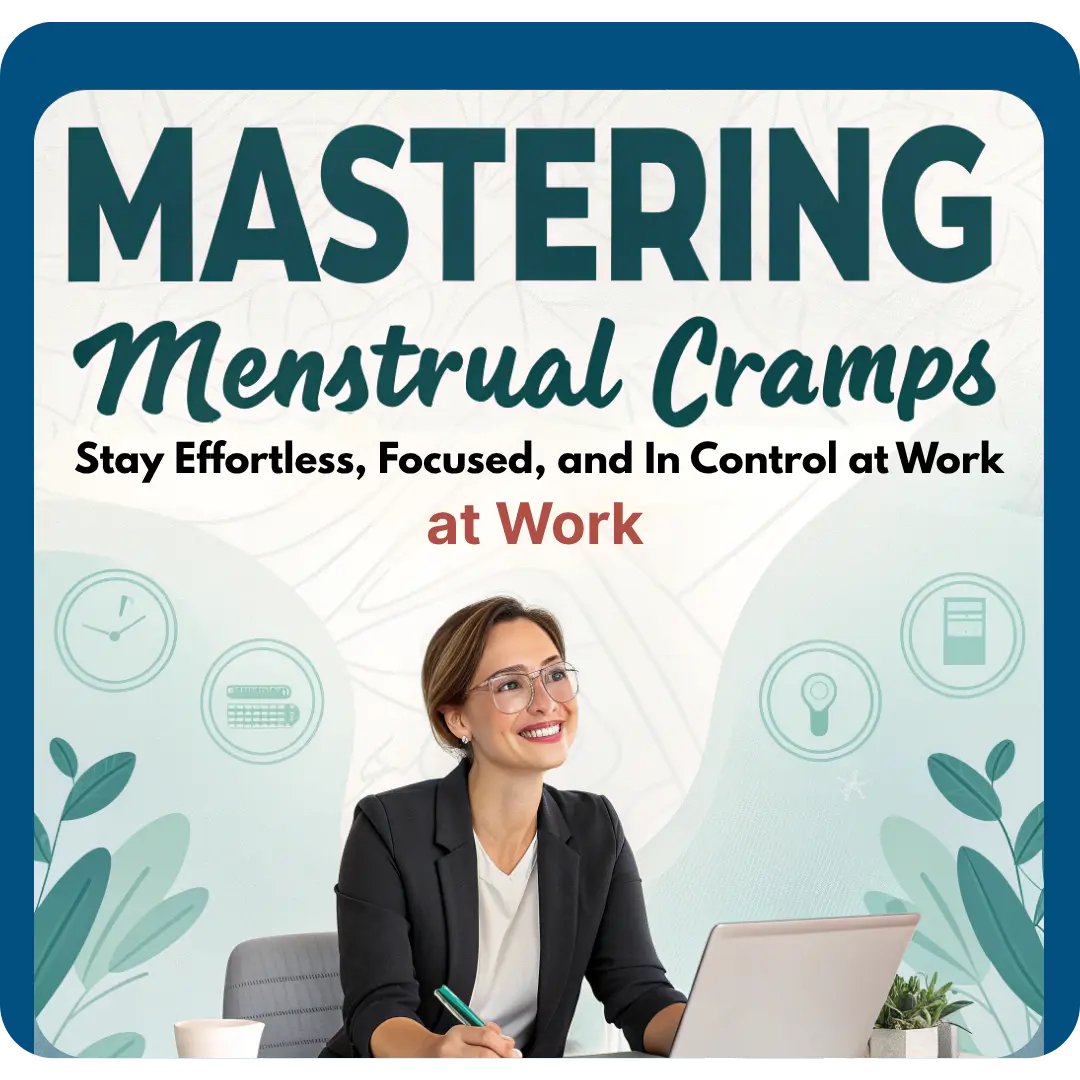
Cramps before a period can cause physical pain ranging from moderate discomfort to excruciating anguish. Studies show that 80% of women experience period discomfort at some point in their lives, and for many, these cramps can be severe enough to interfere with everyday activities, including employment. Being productive is made more difficult by the pain’s frequent accompanying symptoms, which include headaches, nausea, menstrual bloating, and exhaustion.
Unfortunately, a lot of women feel compelled to endure this suffering in silence because they frequently worry that discussing these matters would be interpreted as overly personal or unprofessional. Because menstruation is still stigmatized in many workplaces, many women suffer in silence and choose to use medication or sheer willpower to get through their discomfort.
What is the Price of Neglecting Menstrual Health?
The work atmosphere as a whole is impacted when bad cramps before period and other menstrual health concerns are ignored at work—not just the person experiencing them. Unaddressed menstrual health issues can lead to decreased morale, increased absenteeism, and lower productivity. In addition, when women are afraid to express their suffering, a culture of silence is reinforced, making it even more difficult for others to ask for help.
Burnout is another consequence of this lack of comprehension and adaptability. Women who feel driven to overcome severe cramping after their period without sufficient support may push themselves too far, leading to emotional and physical exhaustion. Over time, this can negatively impact mental health and productivity, leading to feelings of isolation, frustration, and even anxiety about job performance.
What Does Research Say?
It has been estimated that 1,867 women who are at least 18 years old use the Flo app, which allows them to track their menstrual cycle, mood, or physical symptoms during and after pregnancy. Researchers have examined these women’s surveys to learn more about the impact of menstruation symptoms on work output. Three of the most frequently reported menstrual symptoms were cramps (91%), weariness (85%), and bloating (81%).
Many of the female respondents claimed that their place of employment did not provide any assistance in controlling these symptoms. According to the study, 48.4% of participants said their employer did not offer support for difficulties linked to their menstrual cycle, and 49.7% said they were unable to have an honest conversation with them about these matters openly.
Organisations should do better by promoting environments where women feel comfortable and safe talking about concerns linked to their menstrual cycles. Employers can support their female staff by offering digital treatments that are intended to improve coping skills and reduce symptoms.
How to Relieve Period Pain at Work
Managing bad cramps before the period in the workplace can be done at both an individual and organizational level. Here are some effective strategies:
1. Promote a Workplace that is Supportive
Begin by fostering an inclusive and compassionate work environment. Even if a company does not yet have menstrual health policies, simply opening up the discussion can be a powerful first step. Some businesses now provide flexible work schedules or menstrual leave programs, which can be life-changing for employees suffering from severe period pain.
2. Maintain a Self-Care Toolkit
During workdays, having a self-care toolkit can be extremely helpful. This could include:
✅ Herbal teas (known to reduce menstrual bloating)
✅ Essential oils with relaxing properties
✅ Hot water bottles for pain relief
✅ Over-the-counter pain relievers
Additionally, some women find that light movement or stretching helps release tension in the lower back and abdomen, reducing the stiffness caused by sitting at a desk for long hours.
3. Make Use of Flexibility
Use flexible working choices whenever possible, such as:
- Remote work or adjusted hours
- Scheduling low-effort tasks on heavy cramp days
- Listening to your body and adjusting work output accordingly
Understanding your body’s needs and making the necessary adjustments is not a sign of weakness—it is a sign of smart work management.
4. Stay Nourished and Hydrated
Proper hydration plays a key role in reducing period pain at work. Drinking plenty of water can help minimize cramping after periods and bloating. Additionally, consuming foods rich in magnesium (like leafy greens, nuts, and seeds) can aid in muscle relaxation and lessen cramp intensity.
Avoiding high-salt and high-caffeine foods can further prevent bloating and discomfort.
5. Employ Calm Movement
Although physical activity might be the last thing on your mind during a painful period, gentle movement can help relieve cramps. Consider:
- Simple yoga poses
- A quick office walk
- Stretching exercises
These activities increase blood flow and stimulate endorphins, the body’s natural pain relievers.
6. Use Acupressure for Menstrual Cramps
Applying pressure to specific pressure points for menstrual cramps can provide natural pain relief. Some women find relief by pressing on the Sanyinjiao (SP6) point, which is located about four finger widths above the inner ankle bone.
Using menstrual cramps acupressure techniques may help relieve discomfort without medication.
An Appeal for Increased Workplace Awareness
It is crucial for businesses to advance their knowledge of menstrual health. Like any other physical ailment that affects work performance, pain during menstruation is a real health issue that companies must acknowledge.
Progressive organizations are already taking steps such as:
✅ Introducing menstrual leave policies
✅ Allowing flexible work arrangements
✅ Creating awareness through training sessions
These small yet impactful changes can boost employee well-being, productivity, and workplace inclusivity.
Breaking the Taboo
The stigma around what is period pain—particularly in professional settings—remains deeply ingrained. However, it’s time to challenge this outdated notion.
By acknowledging menstrual cramps at work as a valid health issue and opening the conversation, we create a more inclusive and compassionate workplace. No one should feel ashamed or hesitant to prioritize their well-being, especially when it affects their ability to perform effectively at work.
Final Thoughts
Although many women experience bad cramps before period and discomfort, workplace discussions around menstruation remain minimal. Companies have the power to make a difference by:
✅ Implementing menstrual-friendly policies
✅ Encouraging self-care
✅ Opening discussions on menstrual health
Women should never have to suffer in silence or feel that their pain is insignificant. It’s time to break the taboo and build a workplace culture that values human experiences and inclusivity.
Suvanjali Lama, Clinical Psychologist and Research Executive at Treta Foundation.
Where to start
If any of this describes something you recognise, the first step is a conversation rather than a commitment. A free consultation exists to work out what would genuinely help — including saying plainly if this is not the right approach for you.