Introduction
What is Self-Sabotage?
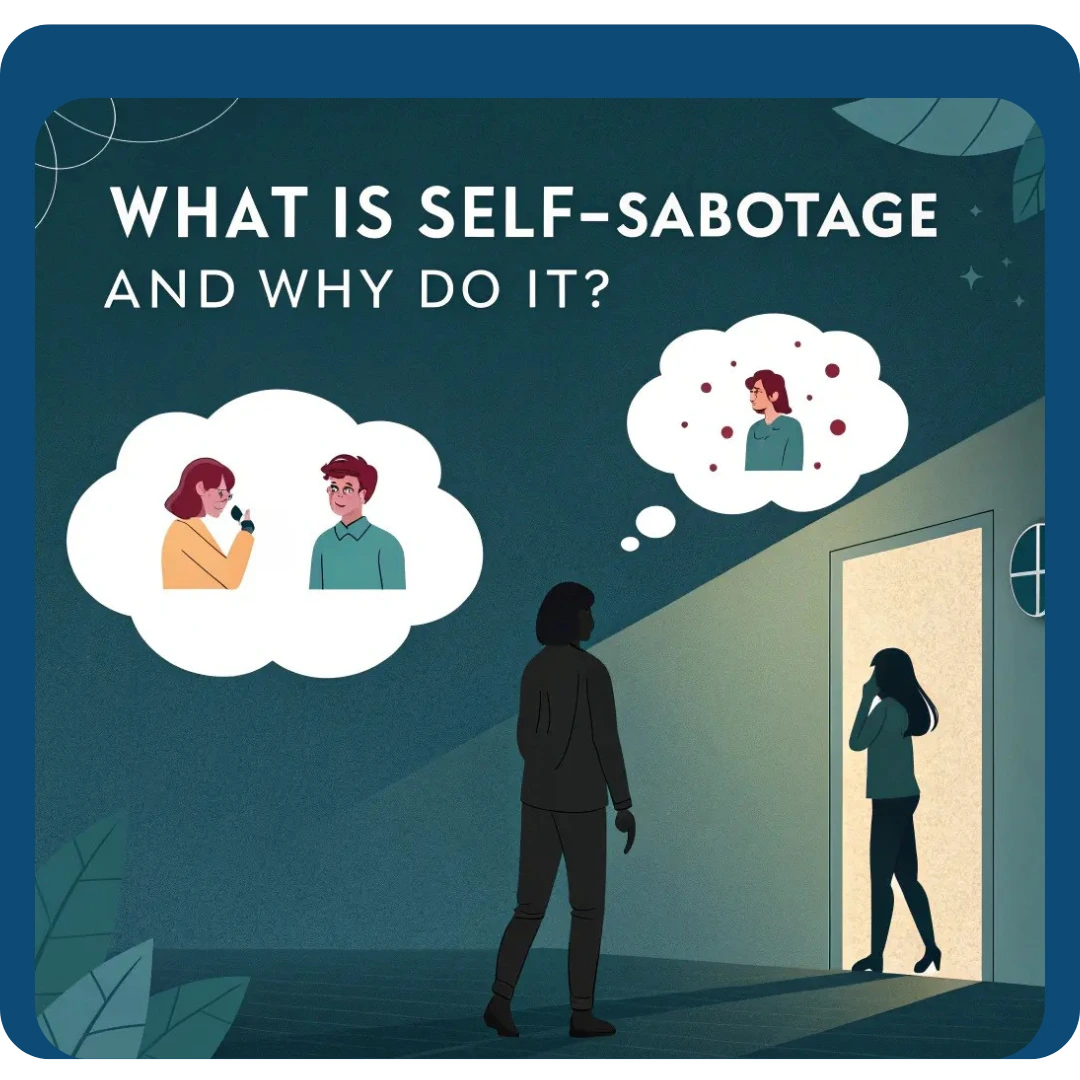
Self-sabotage is the pattern of thoughts, actions, or behaviors that hold us back from achieving our goals. It shows up when we delay important work, give in to negative self-talk, or create unnecessary drama in relationships. Instead of moving forward, we unconsciously block our own progress.
Some common examples of self-sabotage include:
- Procrastination
- Overthinking decisions
- Comparing yourself with others
- Avoiding opportunities out of fear
- Engaging in unhealthy habits like overeating or overspending
The most striking part of self-sabotage is that it often feels automatic. Even when we want better results, we may act in ways that cause us to fail or stay stuck.
Why Do We Self-Sabotage?
Self-sabotage is not about laziness or lack of willpower. It usually comes from deeper psychological and emotional patterns. Here are some of the most common reasons why people engage in self-sabotage:
Fear of Failure
Many people avoid taking risks or pursuing new opportunities because they are afraid of failing. By sabotaging themselves, they create an excuse: “I didn’t really try, so failure doesn’t count.”
Fear of Success
Strangely, success can be just as scary as failure. With success comes more responsibility, visibility, and expectations. Some people sabotage themselves to stay in a comfort zone where they feel safe.
Low Self-Worth
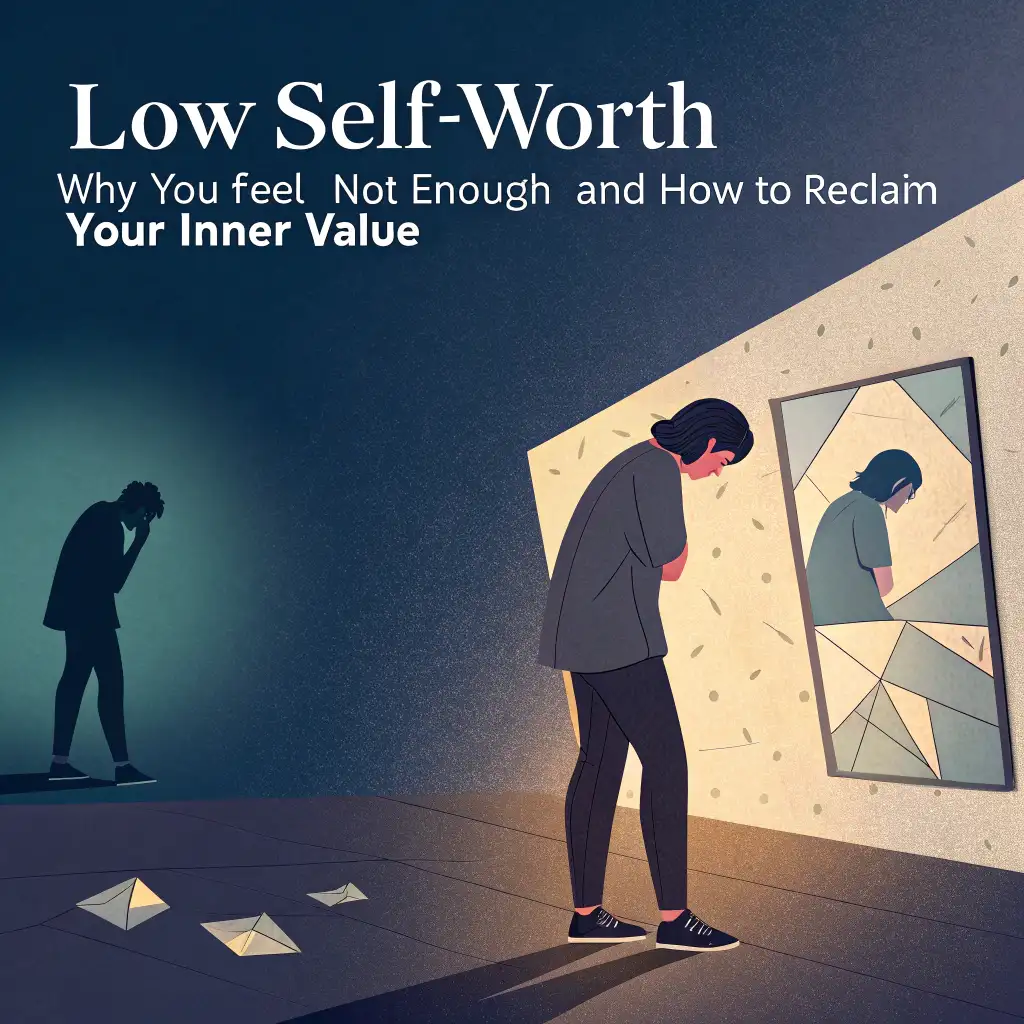
When someone believes they do not deserve happiness or success, they unconsciously act in ways that confirm this belief. Negative self-image and lack of confidence often fuel self-sabotage.
Unresolved Trauma or Conditioning
Past experiences, childhood patterns, or unresolved emotional pain can shape the way we act today. If a person grew up being criticized or doubted, they may repeat these patterns by doubting themselves as adults.
Need for Control
Sabotaging a situation can give a false sense of control. Instead of waiting for external failure, some people prefer to cause it themselves, believing it hurts less when they are the ones to decide.
How to Recognize Self-Sabotage in Your Life
Awareness is the first step to breaking free from self-sabotage. You may be sabotaging yourself if you notice:
- Constant procrastination even on tasks you care about
- Negative self-talk such as “I can’t do this” or “I don’t deserve this”
- Setting unrealistic goals and then feeling like a failure when you cannot achieve them
- Starting strong on projects but losing momentum midway
- Pushing away people who care for you
Recognizing these patterns is not about judging yourself. It is about gently noticing where you get stuck. Therapies like inner child healing or cognitive-behavioral therapy (CBT) can help uncover the underlying causes and support you in creating lasting change.
How to Overcome Self-Sabotage
Once you understand the reasons behind self-sabotage, you can begin to take steps toward healing. Some practical ways to overcome it include:
- Practice self-awareness: Keep a journal of your thoughts and behaviors. Notice triggers that lead to sabotage.
- Challenge negative beliefs: Replace self-critical thoughts with kinder, supportive ones.
- Set realistic goals: Break big goals into smaller, achievable steps to build confidence.
- Seek support: Therapy, coaching, or support groups can help uncover deeper patterns.
- Celebrate small wins: Acknowledge progress instead of waiting for perfection.
- Develop self-compassion: Treat yourself as you would treat a close friend—with patience and encouragement.
By making small changes consistently, you can slowly shift from sabotage to self-support.
Conclusion
Self-sabotage may feel like a hidden enemy, but it is not permanent. By understanding why it happens—often due to fears, unresolved trauma, or feelings of low self-worth—and taking small, conscious steps, you can break the cycle and move toward a healthier, more empowered life. Remember, self-sabotage is not about weakness—it is a sign that some part of you is protecting itself from fear or pain. With compassion and patience, you can turn self-sabotage into self-growth.
Where to start
If any of this describes something you recognise, the first step is a conversation rather than a commitment. A free consultation exists to work out what would genuinely help — including saying plainly if this is not the right approach for you.